Artificial Turf and Sod Installation in Tampa Bay, FL
Why Homeowners Choose Artificial Turf.
Many homeowners choose artificial turf as an alternative to natural sod. Unlike natural grass, artificial turf does not rely on irrigation, fertilization, mowing, or growing conditions to maintain a consistent year-round appearance.
Artificial turf products are available in a variety of styles, textures, and appearances, with different products designed for different applications. When the right product is selected and installed correctly, artificial turf can be incorporated into a variety of landscape designs, helping create a clean, functional outdoor space that complements the overall landscape.
What Sets Our Artificial Turf Installation Apart
At Sure Shot Property Enhancement Services, we approach artificial turf installation by evaluating the site conditions, understanding how the space will be used, and selecting materials and installation methods that best fit the property.
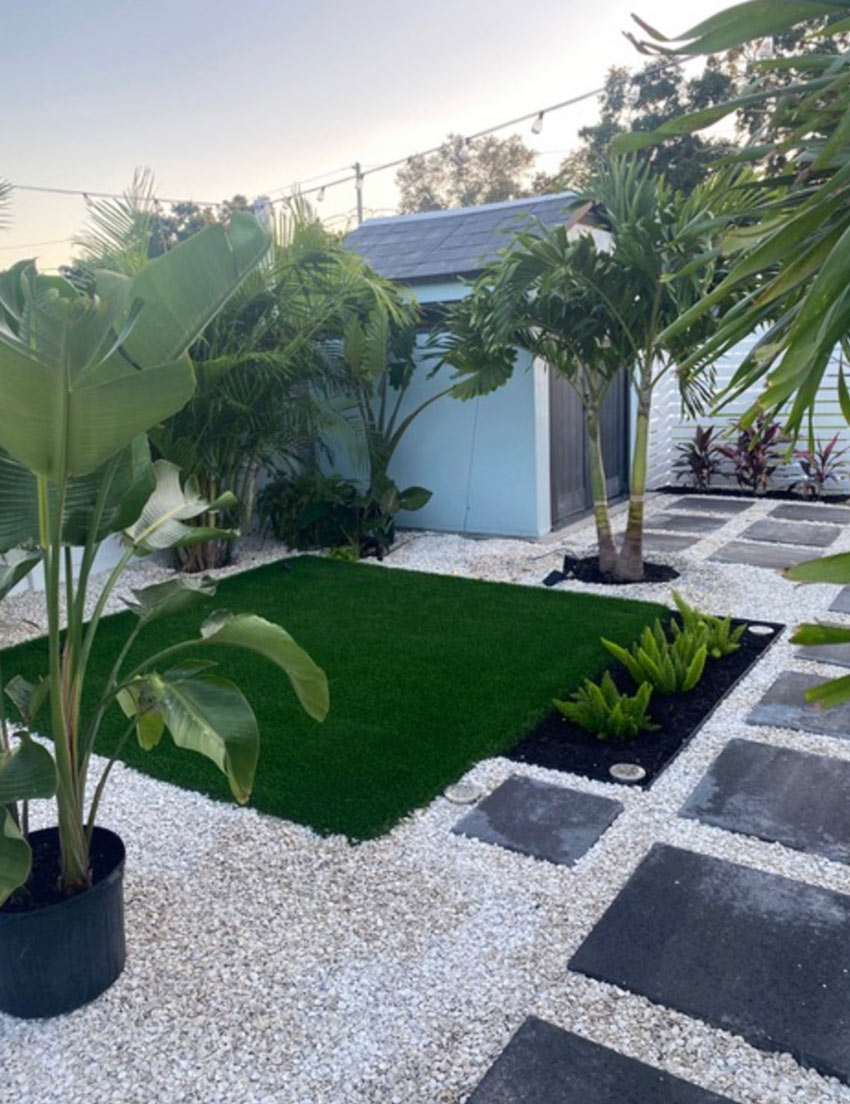
Here’s what you can expect when you work with us:
Products Selected for Florida Conditions: Not all artificial turf products are designed for the same application. Florida’s climate adds its own unique considerations. Heat, UV exposure, heavy rainfall, drainage needs, and how the space will be used all play an important role in selecting the right product for your project.
Proper base preparation: The foundation beneath the turf plays an important role in how the finished project performs. Proper excavation, grading, compaction, and base material selection all contribute to the finished installation. Depending on the application and drainage requirements of the project, different base materials may be recommended to help create a stable, properly prepared foundation.
Drainage-integrated installation: As NDS-certified drainage contractors, drainage is never an afterthought. We evaluate how water moves across the property and incorporate drainage considerations into the design and installation process to help the finished surface perform as intended.
Attention to Detail: The finished appearance of an artificial turf installation comes down to the details. Clean seams, properly finished edges, thoughtful transitions, and careful layout all contribute to a finished product that looks professional and complements the surrounding landscape.
Professional Project Management: From the initial consultation through final installation, our team is committed to clear communication, protecting your property, and maintaining a clean, organized job-site throughout the project.
What Our Artificial Turf Installation Service Includes
Site Assessment & Product Selection
Every turf installation starts with an on-site consultation where we assess your space, discuss your goals, and recommend the right product for the application. We don't install one-size-fits-all turf. Instead, we match the product to your property, your lifestyle, and the look you're going for.
Excavation & Base Preparation
Proper base preparation is the most important part of any turf installation and the step most often skipped by companies cutting corners. We excavate to the appropriate depth, install a compacted aggregate base, and ensure the grade is correct for drainage before anything else happens. This is what allows the turf to lie flat, drain properly, and hold up over the long term.
Drainage Integration
Florida gets over 50 inches of rain per year, meaning a turf system that doesn't drain correctly is a problem waiting to happen. We design drainage into every installation so water moves through the turf and away from the area efficiently, regardless of how hard it rains.
Turf Installation & Finishing
Once the base is prepared, we install the turf with precision, cutting clean seams, securing edges, and applying the appropriate infill for the product and application. Every detail is finished to a standard that holds up to close inspection, because that's the standard we hold ourselves to on every job.
Border & Edging Work
Clean, defined edges are what separate a turf installation that looks intentional from one that looks improvised. We finish every installation with proper border and edging work that integrates cleanly with surrounding hardscape, landscape beds, or existing features.
Choosing The Right Sod For Your Property
During your consultation, we’ll evaluate sun exposure, existing irrigation, drainage, expected traffic patterns, maintenance expectations, and overall property conditions to recommend the sod variety that best fits your property and long-term goals.
St. Augustine
St. Augustine is the most common residential turfgrass in the Tampa Bay area and is often the preferred choice for homeowners looking for a dense, attractive lawn. It performs well in a variety of residential settings and is available in several cultivars, including Floratam and Palmetto.
Bahia
Bahia is often selected for larger properties where drought tolerance and practicality are important. While it does not provide the same manicured appearance as some other turf varieties, it is a durable option that performs well throughout Florida.
Zoysia
Zoysia is known for its dense growth habit, premium appearance, and excellent traffic tolerance. Its fine texture creates a uniform lawn and makes it a popular choice for homeowners seeking a more manicured look.
Bitter Blue
Bitter Blue is a St. Augustine cultivar known for its deep blue-green color and improved shade tolerance. It has a softer texture than Floratam and is often selected for residential properties where appearance and shade performance are important considerations.
Palmetto
Palmetto is another popular St. Augustine cultivar valued for its color, texture, and ability to adapt to a variety of growing conditions. It performs well in both sun and partial shade, making it a versatile option for many residential landscapes.
Bermuda
Bermuda grass thrives in full-sun environments and is valued for its durability, quick recovery, and ability to withstand heavy use. It is commonly used in athletic fields, recreational areas, and other spaces where traffic tolerance is a priority.
Artificial Turf vs. Natural Sod: Which is Right for Your Property?
Both artificial turf and natural sod have advantages and limitations. The right choice depends on how the space is used, your expectations for maintenance, your budget, and the conditions of your property.
Artificial Turf
Consistent appearance throughout the year.
Natural Sod
Appearance varies based on weather, season, and maintenance.
Artificial Turf
Higher upfront investment.
Natural Sod
Lower installation cost.
Artificial Turf
Requires cleaning, debris removal, and occasional upkeep.
Natural Sod
Requires mowing, watering, fertilization, weed control, and pest management.
Artificial Turf
Performs consistently in both sun and shade.
Natural Sod
Some grass varieties struggle in heavily shaded areas.
Artificial Turf
Can become hot in direct sunlight during summer months.
Natural Sod
Typically remains cooler than artificial turf.
Artificial Turf
Depends heavily on proper installation and site conditions.
Natural Sod
Depends heavily on grading, soil conditions, and turf health.
Artificial Turf
Can perform well when properly designed and maintained.
Natural Sod
May become muddy or worn in high-use areas.
Artificial Turf
Repairs are possible but may be visible depending on age and wear.
Natural Sod
Damaged areas can often be repaired or re-sodded.
Artificial Turf
Designed to provide years of use before replacement is needed.
Natural Sod
Can be maintained indefinitely with proper care.
Artificial Turf
Consistent surface.
Natural Sod
Natural grass feel and appearance.
The Stages of Sod Installation
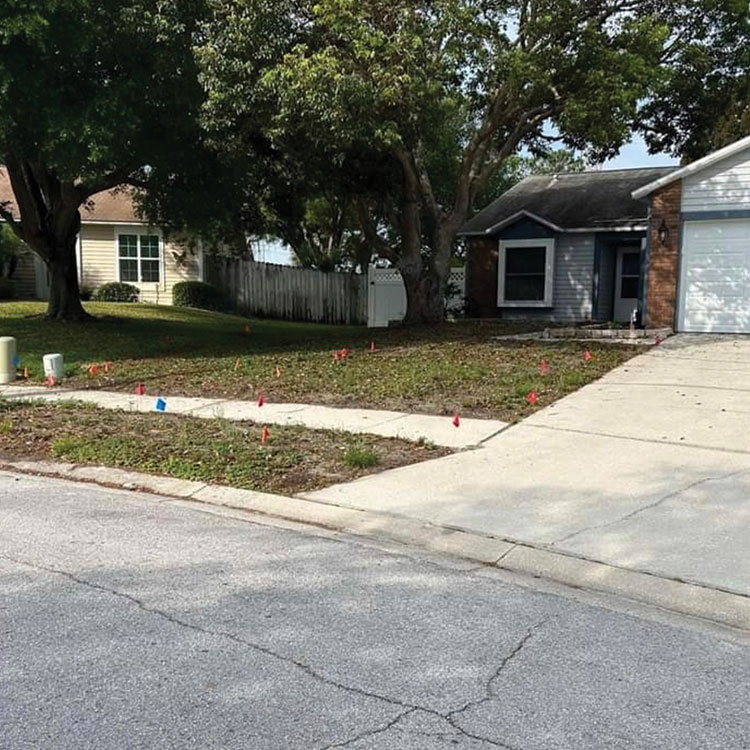
Stage 1
Consultation and Proposal Acceptance
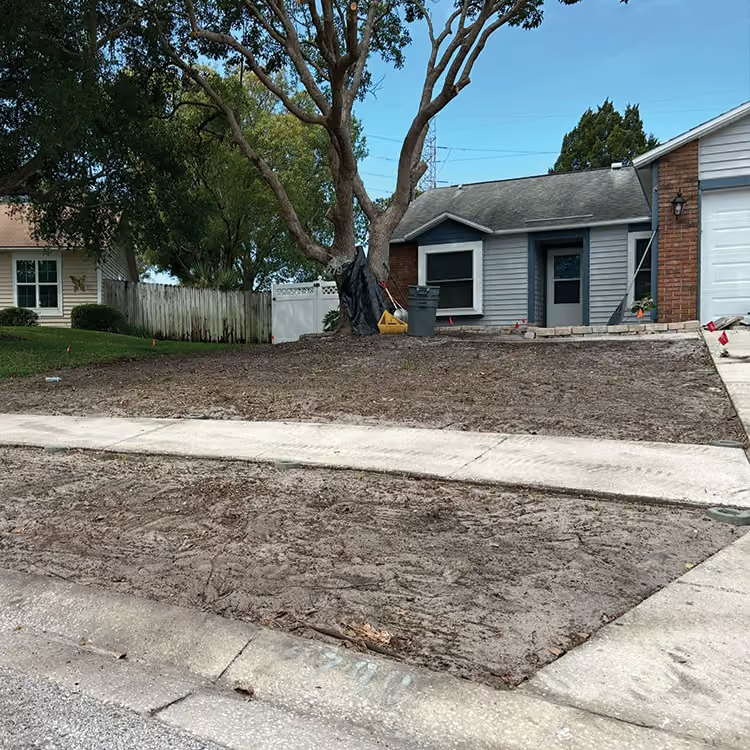
Stage 2
Demolition: Grass Removal and Site Preparation/Grading
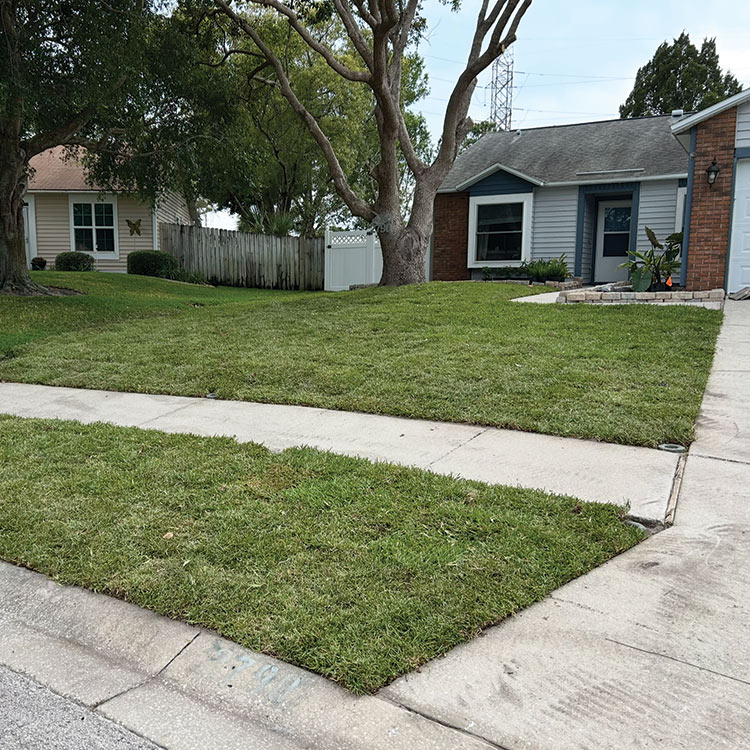
Stage 3
Installation
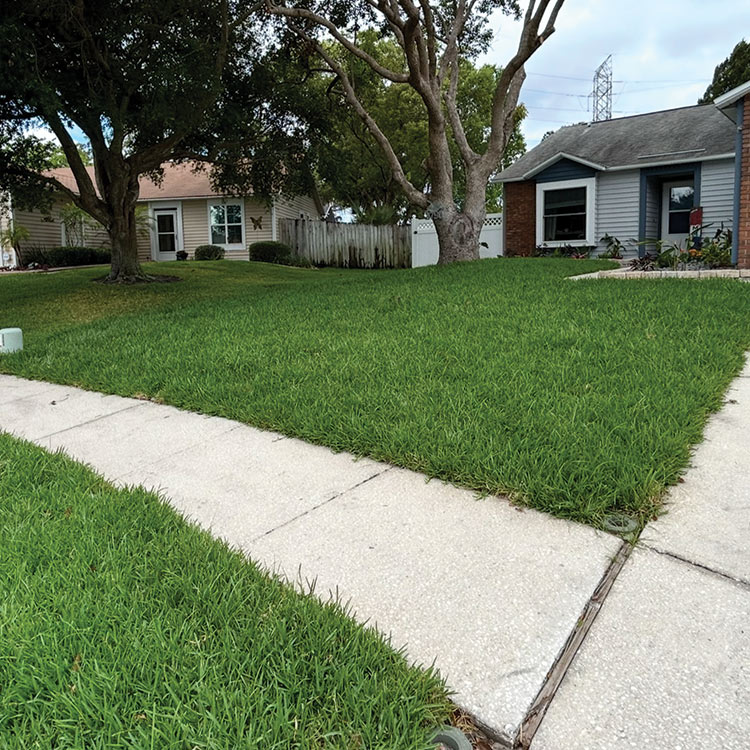
Stage 4
One Month After Installation: Ready to Be Mowed!
Artificial Turf & Sod FAQs
Artificial Turf
Does Artificial Turf Get Hot?
Artificial turf can become warmer than natural grass during periods of direct sun exposure, particularly during Florida summers. Factors such as product selection, infill, color, and site conditions can all influence surface temperatures.
Does Artificial Turf Hold Pet Odors?
Pet odors can develop in artificial turf, particularly in areas that receive frequent pet use. Proper installation, drainage, routine cleaning, and ongoing maintenance all play a role in helping manage odors over time.
What Maintenance Does Artificial Turf Require?
While artificial turf eliminates mowing and many of the maintenance requirements associated with natural grass, it is not maintenance-free. Periodic cleaning, debris removal, grooming, rinsing, and occasional repairs may be necessary to maintain the appearance and performance of the surface.
Natural Sod
Can New Sod Have Weeds or Bugs?
Yes. Sod is grown outdoors, and it is possible for weeds, insects, or other pests to be present. While sod farms take steps to produce a high-quality product, no sod is completely weed-free or pest-free. Proper irrigation, mowing, fertilization, and ongoing lawn care all play a role in maintaining a healthy lawn and managing weeds and pests over time.
How Much Should I Water New Sod?
Proper watering is one of the most important factors in successful sod establishment. Watering requirements vary based on sod variety, weather conditions, soil conditions, irrigation coverage, and time of year. Following installation, we’ll provide watering recommendations specific to your project.
How Long Should I Wait Before Mowing New Sod?
New sod should be given time to establish before its first mowing. In most situations, we recommend waiting approximately 3 to 4 weeks after installation. Factors such as sod variety, weather conditions, irrigation, and root development can affect timing.
How Long Should I Wait Before Fertilizing New Sod?
We recommend allowing new sod time to establish before applying fertilizer. In most cases, fertilization should be delayed for approximately 30 to 60 days following installation unless otherwise directed by a licensed lawn care or pest control professional.
Do You Offer a Warranty on Sod?
No. Sod is a living product, and its long-term success depends on factors outside of our control, including irrigation coverage, weather conditions, maintenance practices, insects, disease, and overall site conditions. For this reason, we do not offer a warranty on sod installations.
Do You Offer Sod Repairs?
Sod repairs are typically performed as part of a larger landscape renovation, drainage, irrigation, or installation project. We generally do not offer small standalone sod repair services, but we’re happy to discuss your project during a consultation.
A lawn that looks great year-round, without the upkeep that comes with it.
A Great Yard Starts With The Right Solution
Artificial turf and natural sod each have advantages and limitations. Understanding the differences between the two can help you make an informed decision for your property, lifestyle, and long-term goals.